
Buying Waterfront or Near-Bay Property in Alameda: Flood & Environmental Considerations
Quick Answer
Alameda's island setting and shoreline proximity make flood risk, sea level rise, and environmental disclosure questions more relevant than in inland East Bay neighborhoods. None of this makes waterfront property a bad investment—it just requires a specific due diligence checklist most inland buyers don't need to think about.
Why Alameda's Geography Creates Unique Considerations
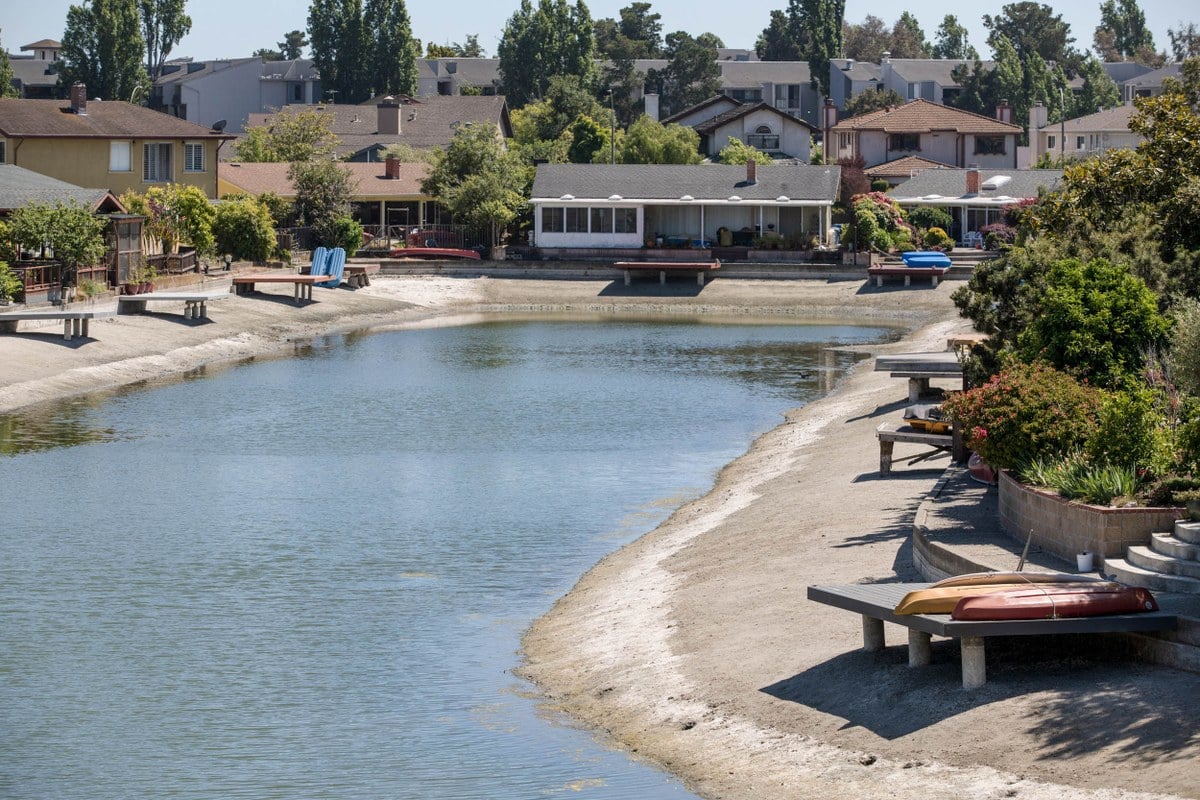
As an island city surrounded by the Bay, Alameda faces flood zone and sea level rise considerations more directly than most other East Bay cities. This affects insurance, some disclosure requirements, and long-term planning considerations for waterfront or near-shoreline properties specifically.
Flood Zone Designation
- Check the property's FEMA flood zone designation as part of your Natural Hazard Disclosure report (covered in our separate NHD guide)—this determines whether flood insurance is required by your lender and what it might cost.
- Flood zone maps are periodically updated—a property's designation isn't necessarily permanent, and it's worth checking current maps rather than relying on outdated information.
- Flood insurance is often separate from standard homeowners insurance and may need to be purchased through the National Flood Insurance Program or a private flood insurance option.
Sea Level Rise as a Longer-Term Consideration
- This is a longer-horizon planning question, not something that affects most transactions immediately, but it's increasingly part of due diligence conversations for shoreline properties.
- Local and regional planning agencies publish projections and adaptation planning documents worth reviewing for a genuinely informed long-term view, particularly for buyers planning a very long hold period.
- This shouldn't be treated as a reason to avoid waterfront property outright—it's a factor to weigh among many, particularly relevant for buyers considering multi-decade ownership.
Environmental Disclosure Considerations
- Some near-bay and former industrial areas may have specific environmental disclosure requirements tied to past land use—worth understanding a property's history, particularly in areas with any history of industrial or shipping use.
- Soil and groundwater considerations can be relevant for certain parcels—a Phase I environmental assessment is sometimes worth considering for properties with any history suggesting past industrial or fill-related use.
Insurance Considerations Specific to This Area
- Flood insurance costs and availability should be confirmed early, similar to the wildfire insurance conversation for hillside properties, since it can meaningfully affect overall ownership cost.
- Ask directly about any history of flooding or water intrusion at the specific property, beyond just the zone designation.
FAQ
Does every property in Alameda require flood insurance?
No—this depends on the specific property's FEMA flood zone designation, which varies significantly even within the city; check the specific parcel rather than assuming based on general proximity to water.
Is waterfront property in Alameda a good long-term investment given sea level rise projections?
This is a genuinely personal risk assessment depending on your timeline and risk tolerance—many buyers view current desirability and adaptation planning as sufficient, while others weigh long-term projections more heavily. Worth researching current projections directly rather than relying on general assumptions either way.
How do I find out if a property has environmental history I should know about?
Start with the disclosure package and preliminary title report, and consider a Phase I environmental assessment for properties with any history suggesting past industrial or fill-related use, particularly in specific parts of the island with known industrial history.
Does flood insurance cost significantly more than standard homeowners insurance?
Costs vary widely based on the specific flood zone designation and property characteristics—get an actual quote for the specific property rather than assuming a general cost.
This is general information, not insurance, environmental, or legal advice. Flood zone designations, environmental history, and insurance requirements are property-specific—consult qualified professionals for guidance on a specific property.
Considering a waterfront or near-bay property in Alameda? Let's walk through the specific due diligence for that property.
About The Parker George Team
Robert Parker and Josie George lead The Parker George Team , a Berkeley-based real estate team serving Berkeley, Oakland, Kensington, El Cerrito, Piedmont, Alameda, Albany, Emeryville, and Richmond. Robert holds the Certified Luxury Home Marketing Specialist (CLHMS) designation, and the team has been recognized by America's Best and featured in the San Francisco Business Times. Licensed with the California DRE (Robert #01923837, Josie #01990905), the team is based at 801 Delaware St, Berkeley, CA 94710.
Check out this article next