
Selling a Berkeley or Oakland Home with Foundation Issues in 2026: The Cripple Wall Retrofit, the FHA/VA Cliff, and the Pre-Listing Structural Engineer Report That Saves East Bay Sellers $50,000 to $200,000 at Close
How do I sell a Berkeley or Oakland home with foundation issues in 2026?
East Bay sellers with foundation problems have four workable paths: full retrofit before listing ($3,000–$15,000 for a standard cripple wall and bolting job; $10,000–$40,000+ for active settlement repair), disclose and price with a pre-listing structural engineer report already in the disclosure package, target cash and flipper buyers who ignore lender guidelines, or hard-price-cut the listing 10–15% and take a smaller buyer pool. The right path depends on which defect you have. Cripple wall bracing usually pencils—a $5,000 retrofit protects roughly 10–20% of your buyer pool and adds a documented resale premium. Active settlement is different: it fails FHA and VA underwriting, and a $400–$1,000 pre-listing structural engineer report is the single highest-leverage move a seller can make to keep the deal alive.
What "foundation issues" actually means in Berkeley and Oakland pre-1940 stock
The phrase "foundation problem" covers four very different conditions, and lumping them together is why sellers panic when they shouldn't and stay calm when they should be alarmed.
The first category is the unbraced cripple wall and unbolted mudsill—the short stud wall between your foundation and the first floor of the house. This is a Bay Area design pattern in almost every pre-1940 raised-foundation home from North Berkeley to Lower Rockridge, and it's a seismic vulnerability, not an active defect. The house isn't sinking. It's just not tied to its foundation the way modern code requires. Fixing it means bolting the mudsill to the concrete and sheathing the cripple wall with plywood and Simpson Strong-Tie connectors—a standard $3,000–$7,000 job in the flatlands, $5,000–$15,000 with permits and complex crawl-space access.
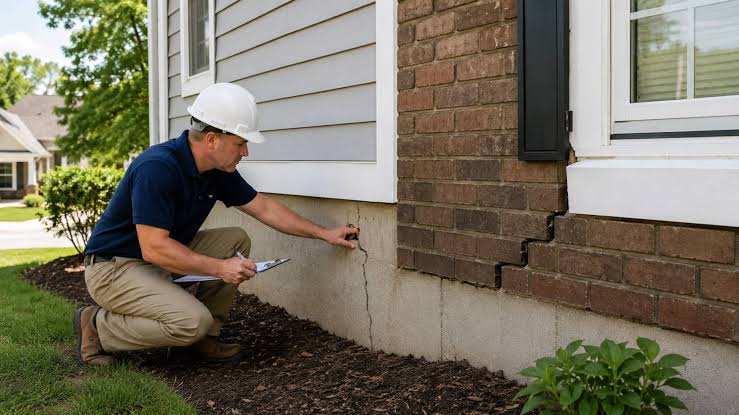
The second category is cosmetic settlement cracking—hairline diagonal cracks in stucco, a sticky door, and sloped floors that have been sloped for forty years. Most of this is normal for a hundred-year-old Berkeley Craftsman on adobe clay. It reads as "old house" to buyers who've toured a dozen North Berkeley listings, and it reads as "structural" only to inexperienced buyers who don't know what they're looking at.
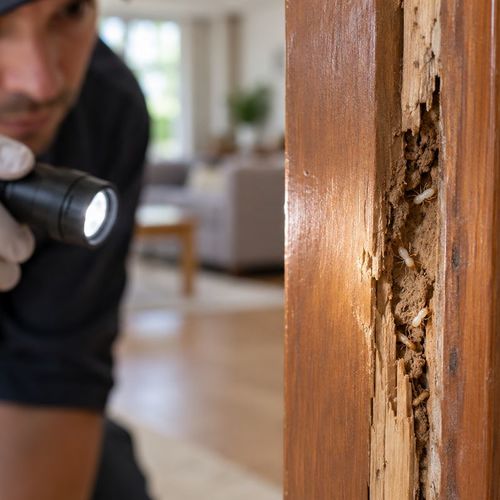
The third category is active settlement—cracks that have widened in the last two years, floors that have moved measurably, windows that used to close and no longer do, or standing water in the crawl space during winter. This is the one that kills deals. Active movement fails FHA and VA appraisal automatically and triggers a lender-required repair before close on conventional financing.
The fourth category is hillside slope creep and drainage failure—the Berkeley Hills, Montclair, Kensington, and Piedmont story. Expansive adobe soil, hydrostatic pressure against the foundation walls, and slope movement over decades. A full geotechnical study in the East Bay runs $4,000–$12,000, and repairs frequently exceed $40,000 when the crew starts digging.
Sellers who conflate these four categories end up either over-repairing a cosmetic issue for $30,000 they didn't need to spend, or under-disclosing an active settlement that the buyer's inspector finds anyway on day 8 of escrow.
The FHA/VA financing cliff: why active settlement kills 10–20% of your buyer pool
FHA Minimum Property Standards are explicit: no foundation cracks that indicate structural distress, no evidence of significant settling, no bulges. Any of those observations triggers an automatic repair requirement before the loan closes. VA Minimum Property Requirements mirror FHA and add their own structural provisions. A $1.5M–$1.8M Berkeley or Oakland home priced into FHA and VA territory loses those buyers the moment the appraiser writes "excessive settlement" in the report—and the loss is permanent for that transaction, because underwriting will not clear to close without documented repair.
Conventional and jumbo lenders don't apply the same categorical rule, but they're not indifferent either. On active settlement, a conventional lender will typically require a licensed structural engineer's letter certifying the condition is stable and non-progressive before funding. Some jumbo portfolio lenders will require the repair itself. Either way, the buyer's clear-to-close slides two to four weeks, and half the time the deal renegotiates on the delay alone.
The buyer-pool shrink varies by price band. At $1.5M–$1.8M, you're looking at 10–20% of the pool disappearing on the FHA/VA cut. At $2M and up, FHA is functionally gone and VA is thin, so the pool shrink is smaller (5–10%), but the buyers who remain are more sophisticated, better-represented, and more likely to demand a full pre-listing structural engineer report before they'll even write.
This is exactly the kind of decision I walk sellers through before we set a list price—the right pricing strategy depends on knowing which buyer pool you're targeting after the defect gets disclosed.
The four-path seller decision
Path 1 — Full retrofit before listing. Best for cripple wall and mudsill defects on flatland pre-1940 stock. A completed $5,000–$8,000 retrofit converts "unknown seismic risk" into a documented mitigation, unlocks the CEA insurance discount (10–25% off), qualifies for the Berkeley Seismic Transfer Tax Rebate (up to one-third of the base 1.5% transfer tax back at close on eligible work), and — per a 2022 ASCE peer-reviewed study — correlates with retrofitted pre-1940 California homes selling for roughly 17% more than un-retrofitted comparables. On a $2.1M Elmwood Craftsman, that spread dwarfs the retrofit cost by an order of magnitude. This path also gets your disclosure clean and your buyer pool intact.
Path 2—Disclose and price with a pre-listing structural engineer report. Best for active settlement, hillside drainage, or repair scopes above $25,000 where the seller doesn't want to front the capital. A licensed structural engineer inspection costs $400–$1,000 in the Bay Area and produces a report with three things buyers need: a diagnosis, a repair scope with contractor bids, and a professional opinion on whether the movement is progressive or stable. The report goes into the disclosure package alongside your general inspection, pest, sewer, and roof reports. Buyers write with the defect priced in—you preserve leverage instead of losing it to a mid-escrow inspection re-trade. Sellers who go into a Berkeley or Oakland offer round with the structural engineer's report already in the file consistently outperform sellers who let the buyer's inspector deliver the news on day 8.
Path 3 — Target cash and flipper buyers. Best when the repair scope is above $50,000 and the seller needs a fast close with certainty. Cash buyers and investor flippers ignore FHA/VA guidelines and underwrite off cost-to-cure, not lender rules. The pricing hit is real—expect 60–75% of retail on the "as-is" cash offer—but the close is three to four weeks, and the disclosure exposure drops.
Path 4 — Aggressive price cut with full disclosure. Best when the seller can't or won't do repairs, can't wait for cash, and just wants the sale done through traditional financing. The market prices in the defect plus a fear premium. Expect a 10–15% discount below comparable un-defected sales in the same micro-market, and expect 30–50% longer days-on-market. This is the least efficient path, and I only recommend it when the other three don't fit.
Worked example: a $2.2M North Berkeley Craftsman with cripple walls and a settlement crack
A 1918 Craftsman in North Berkeley, comparable sales at $2.15M–$2.25M, seller-funded pre-listing inspection turns up two findings: (1) unbraced cripple walls and unbolted mudsill — standard for the vintage — and (2) a hairline diagonal crack in the west wall that the general inspector flags for structural engineer review.
Without pre-listing action: List at $1,995,000, get five offers, and primary at $2,180,000. On Day 8, the buyer's inspector calls the west wall crack "possible active settlement" and asks for a $65,000 credit. Buyer's lender (conventional jumbo) freezes the file pending a structural engineer's letter. Two-week delay. Backup offer walks. The deal closes at $2,115,000 after a $65,000 credit, and a $2,000 rush structural engineer report the seller pays for it. Net to seller: ~$2,048,000.
With Path 2 pre-listing action: The seller spends $850 on a structural engineer report before listing. The engineer diagnoses the crack as historical and non-progressive, monitored via visual reference points, and recommends no repair. The report goes in the disclosure package alongside a $2,500 quote for an optional cripple wall retrofit. Seller lists at $2,050,000 with disclosure packages tightly built. Five offers, primary at $2,215,000, no re-trade, standard 21-day close. Net to seller: ~$2,214,150.
The difference is roughly $166,000 on a defect that would have been trivial to disclose upfront but expensive to defend mid-escrow.
FAQ
Do I have to disclose foundation issues even if I'm selling "as-is"?
Yes. California Civil Code §1102 requires disclosure of all known material defects on the Transfer Disclosure Statement regardless of whether the sale is marketed as-is. As-is means the seller is not agreeing to repairs; it does not waive disclosure. Failing to disclose a known foundation issue exposes the seller to post-close litigation, rescission, and damages. If a pre-listing inspector or engineer identified a defect, it must be disclosed. (See also our post on selling a Berkeley or Oakland home with unpermitted work—the same non-waiver rule applies there.)
Can I use the Berkeley Seismic Transfer Tax Rebate for cripple wall bracing?
Yes, if the work qualifies under BMC 7.52.060 (Plan Set A per CEBC Appendix A3 covers standard cripple wall + mudsill bolting). The rebate returns up to one-third of the base 1.5% Berkeley transfer tax, capped at actual documented spend, with a one-year deadline from deed recordation. Full mechanics and worked examples are in our Berkeley Seismic Transfer Tax Rebate post.
How much value does a completed retrofit actually add?
A 2022 ASCE peer-reviewed study found that retrofitted pre-1940 California homes sold for roughly 17% more than comparable un-retrofitted properties. A separate UC Boulder study estimated a resale premium of about 10%. The California Earthquake Authority also offers a 10–25% premium discount on earthquake insurance for retrofitted homes. On a $2.1M Elmwood Craftsman, even the conservative 10% figure is $210,000 against a $5,000–$8,000 retrofit cost.
Will any foundation crack fail an FHA appraisal?
No. FHA and VA appraisers distinguish between cosmetic cracking and evidence of structural distress. Hairline diagonal cracks in stucco, cracks that predate the sale and haven't widened, and cracks that a licensed structural engineer certifies as non-progressive typically clear appraisal. What fails is evidence of active movement — widening cracks, floors that have measurably moved, water intrusion in the crawl space, or bulges in the foundation wall.
Should I get the structural engineer report before I list or after I have offers?
Before you list, every time. A pre-listing structural engineer report costs $400–$1,000 in the Bay Area and belongs in your disclosure package alongside the general inspection, pest report, sewer scope, and roof report. The full pre-listing package rationale is covered in our pre-listing inspection post. The same defect-forward disclosure logic applies to older-home electrical issues — see our knob-and-tube wiring post for a parallel treatment.
The bottom line
Foundation issues do not have to sink your sale. Sellers who treat the defect as a pricing and disclosure problem — and who put a licensed structural engineer's report on the table before buyers walk through — routinely close at or near the un-defected comp. Sellers who let the buyer's inspector deliver the news mid-escrow lose $50,000 to $200,000 on the negotiation, and sometimes lose the deal outright.
Want to know your specific number? I prepare a custom net sheet for every seller I work with — actual estimated proceeds based on East Bay market data, your home's condition, and current closing costs. No automated estimate, no generic Zestimate. Just real numbers.
Robert Parker is the CEO and team lead of The Parker George Team at Compass, serving the East Bay luxury residential market in Berkeley, Oakland, Piedmont, and surrounding neighborhoods. He helps buyers and sellers navigate the $1M–$5M+ market with a data-driven approach grounded in over a decade of local experience. DRE# 01923837. Connect with Robert at parkergeorge.com.
Check out this article next