

Buying a Home with a Basement: Waterproofing, Egress, and Legal Considerations
Quick Answer
Basements are less universal in East Bay housing than in some other regions, but where they exist—particularly in certain Berkeley and Oakland homes—they come with specific due diligence considerations around waterproofing, legal habitable status, and egress requirements that deserve real attention during your inspection period.
Why Basement Due Diligence Deserves Special Attention Here
Given the region's rainy season and specific soil and grading conditions in various East Bay neighborhoods, basement water intrusion is a real and recurring issue worth investigating carefully, rather than assuming a basement's current dry condition will necessarily hold going forward.
Key Waterproofing Considerations
- Signs of past water intrusion—staining, efflorescence (white mineral deposits on foundation walls), musty odors, or visible mold—should prompt further investigation, even if the space appears dry at the time of your showing.
- Grading and drainage around the foundation — proper slope away from the house and functioning gutters/downspouts significantly affect basement water risk.
- Sump pump presence and condition, if applicable — worth understanding whether one exists, its age, and whether it's been reliably maintained.
- French drains or other water management systems, if present, and their maintenance history.
Legal Habitable Status Considerations
- Not all basement space is legally counted as a habitable living area—this connects directly to square footage discrepancy issues, since basement space sometimes isn't reflected in official square footage figures even if it's finished and used as living space.
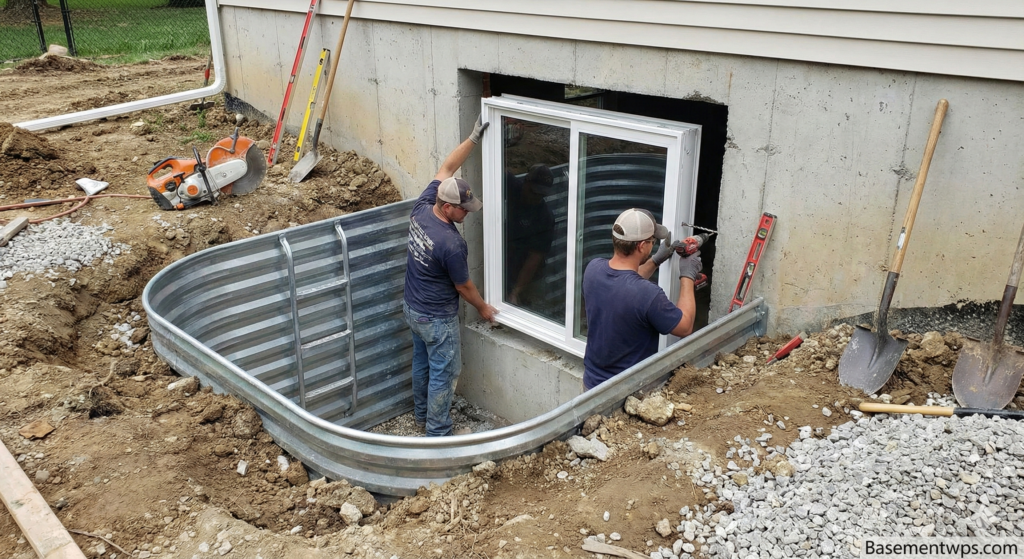
- Egress requirements — a basement bedroom or any room intended as a legal sleeping area generally requires proper egress (a window or door meeting specific size and accessibility requirements for emergency escape). A finished basement room without proper egress may not be legally usable as a bedroom, regardless of how it's currently used or marketed.
- Permit history matters — confirm whether basement finishing work was properly permitted, since unpermitted basement conversions carry the same disclosure and resale considerations as any other unpermitted work.
What to Actually Check During Your Inspection Period
- Get a specific basement/waterproofing assessment if your general inspector flags any concerns, potentially from a specialist familiar with foundation and drainage issues.
- Ask directly about the permit history for any finished basement space, and confirm whether it's officially counted in the home's square footage.
- Check egress compliance for any basement space being represented as a bedroom or legal living area.
- Ask about past flooding or water intrusion history, which should be part of standard seller disclosures but is worth asking about directly as well.
What Sellers Should Know
- Disclose known water intrusion history accurately, even if the issue has since been addressed.
- Understand that unpermitted basement finishing may affect how the space can be marketed and represented and should be disclosed accordingly.
- Consider addressing any active drainage or waterproofing issues before listing, since these are exactly the kind of findings that can significantly affect buyer confidence and negotiation during a sale.
FAQ
Does a musty basement smell always indicate a serious problem?
Not automatically, but it's worth investigating further rather than dismissing—sometimes it reflects a minor, addressable ventilation issue, while other times it may indicate a more significant water intrusion problem. A specialist assessment can clarify which applies.
Can a finished basement without proper egress still be used as a bedroom?
It may be used informally, but it generally shouldn't be represented or counted as a legal bedroom without proper egress. This can affect both accurate marketing and potentially appraisal treatment.
Is basement finishing typically included in a home's official square footage?
This varies and should be checked specifically. Basement space isn't always counted the same way as above-grade living space in official measurements, connecting to broader square footage discrepancy issues.
Should I get a sump pump inspected even if it seems to be working?
Yes, if present—understanding its age, maintenance history, and battery backup status, if applicable, helps you realistically assess your basement's ongoing water risk management.
Bottom Line
A basement can be a genuine asset, but it deserves real, specific due diligence around waterproofing history, legal status, and permit compliance—issues that a quick showing visit won't reveal on its own.
Considering a home with a basement and want a thorough look at its condition and legal status? Let's make sure this gets proper attention during your inspection period.
About The Parker George Team
Robert Parker and Josie George lead The Parker George Team , a Berkeley-based real estate team serving Berkeley, Oakland, Kensington, El Cerrito, Piedmont, Alameda, Albany, Emeryville, and Richmond. Robert holds the Certified Luxury Home Marketing Specialist (CLHMS) designation, and the team has been recognized by America's Best and featured in the San Francisco Business Times. Licensed with the California DRE (Robert #01923837, Josie #01990905), the team is based at 801 Delaware St, Berkeley, CA 94710.
Check out this article next