

Deed Restrictions & CC&Rs on Single-Family Lots: Beyond HOA Condos
Quick Answer
While our HOA guide focuses on condos and planned developments, some East Bay single-family homes also carry deed restrictions or CC&Rs (Covenants, Conditions & Restrictions) recorded against the property itself—separate from any HOA—that can limit what you can do with the property regardless of otherwise applicable city zoning.
Why Single-Family Homes Can Carry These Restrictions Too
Some older neighborhood developments, even without an active or formal HOA, were originally platted with recorded deed restrictions establishing rules for the neighborhood — architectural standards, land use limits, or other requirements — that continue to run with the land and bind current and future owners, regardless of HOA status.
Common Types of Restrictions You Might Encounter
- Architectural or design restrictions—requirements around exterior materials, colors, or general architectural consistency, sometimes tied to a neighborhood's original planned character
- Land use restrictions—limits on specific uses (certain types of businesses, for instance) that go beyond what city zoning alone would otherwise restrict
- Minimum size or setback requirements that may be more restrictive than current city zoning
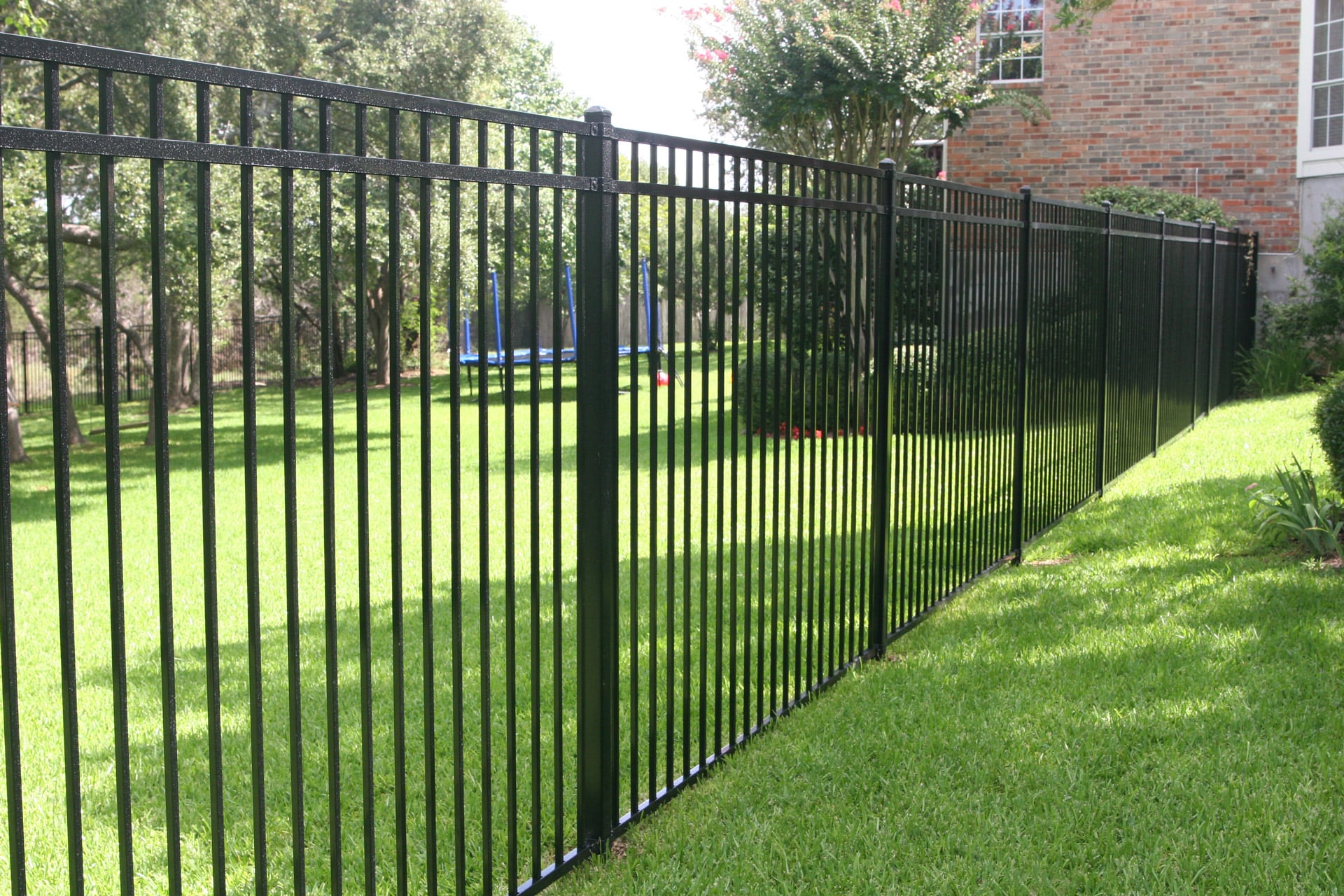
- Restrictions related to fences, structures, or specific improvements
Why This Matters Even Without an Active HOA
Unlike HOA rules, which are actively administered and enforced by an association, deed restrictions can sometimes be less visibly enforced day-to-day—but they remain legally binding and can potentially be enforced by neighbors or, in some cases, a homeowner's association if one exists, even if enforcement has been inconsistent historically. This creates a real risk of assuming a restriction is effectively inactive when it legally isn't.
How to Check for These Restrictions Before Buying
- Review the preliminary title report (see our separate guide) carefully — recorded deed restrictions typically appear in the exceptions section, similar to easements
- Ask directly whether the property is subject to any recorded CC&Rs, even in the absence of an active HOA
- Research the neighborhood's original development history if you're planning significant changes to the property, since older platted developments sometimes carry restrictions unfamiliar to current owners who've never tested them
What to Do If You Find Restrictions That Affect Your Plans
- Understand the specific restriction's scope and enforceability—some restrictions may have expired, been abandoned through long-term non-enforcement, or otherwise become legally questionable, though this requires actual legal analysis rather than assumption
- Consult a real estate attorney if a restriction seems to conflict with your specific renovation or use plans, rather than assuming it's simply outdated or unenforceable
- Consider the practical reality of enforcement—even a legally valid but historically unenforced restriction carries some risk if a neighbor later decides to enforce it, worth weighing honestly rather than dismissing
FAQ
Do all older East Bay neighborhoods have deed restrictions?
No—this varies significantly by specific neighborhood and development history; some carry meaningful recorded restrictions, others don't, and this should be checked property by property rather than assumed based on general neighborhood age.
Can deed restrictions be removed?
In some cases, through a formal legal process (sometimes requiring agreement from other affected property owners or via a court action establishing the restriction is no longer enforceable)—this is a real legal process, not something a single owner can unilaterally set aside.
If a restriction hasn't been enforced in decades, does that mean it's no longer valid?
Not necessarily automatically—this can be a relevant legal factor in some circumstances (sometimes called "abandonment" or "waiver" of a restriction), but it requires actual legal analysis rather than an assumption based on lack of recent enforcement alone.
Is this the same thing as an HOA?
Related but distinct—an HOA is an actively organized association with ongoing governance and typically dues; deed restrictions can exist independently, without any active organization actively managing or collecting for them.
This is general information, not legal advice. Deed restrictions and their enforceability are fact-specific and can be legally complex—consult a real estate attorney for guidance specific to a property.
Bottom Line
Don't assume a single-family home is free of use or design restrictions just because there's no active HOA—checking the preliminary title report and, if anything unusual surfaces, getting a real legal read is worth the effort before finalizing renovation or use plans.
Considering a property and want to check for any deed restrictions that might affect your plans? Let's review the title report together.
About The Parker George Team
Robert Parker and Josie George lead The Parker George Team , a Berkeley-based real estate team serving Berkeley, Oakland, Kensington, El Cerrito, Piedmont, Alameda, Albany, Emeryville, and Richmond. Robert holds the Certified Luxury Home Marketing Specialist (CLHMS) designation, and the team has been recognized by America's Best and featured in the San Francisco Business Times. Licensed with the California DRE (Robert #01923837, Josie #01990905), the team is based at 801 Delaware St., Berkeley, CA 94710.
Check out this article next