

Easements & Shared Driveways: What to Know About Older East Bay Properties
Quick Answer
Older East Bay lots — especially in Berkeley's hillier or more densely subdivided areas — often come with easements, shared driveways, or access agreements that aren't always obvious from a listing photo. Understanding what you're actually buying rights to (and obligations for) is a critical part of due diligence on these properties.
What an Easement Actually Is
A legal right for someone (a neighbor, a utility company, or the public) to use a portion of a property for a specific purpose, even though they don't own that land. Easements run with the land, meaning they transfer to new owners automatically—you can't simply opt out of an existing easement by buying the property.
Common Easement Types in the East Bay
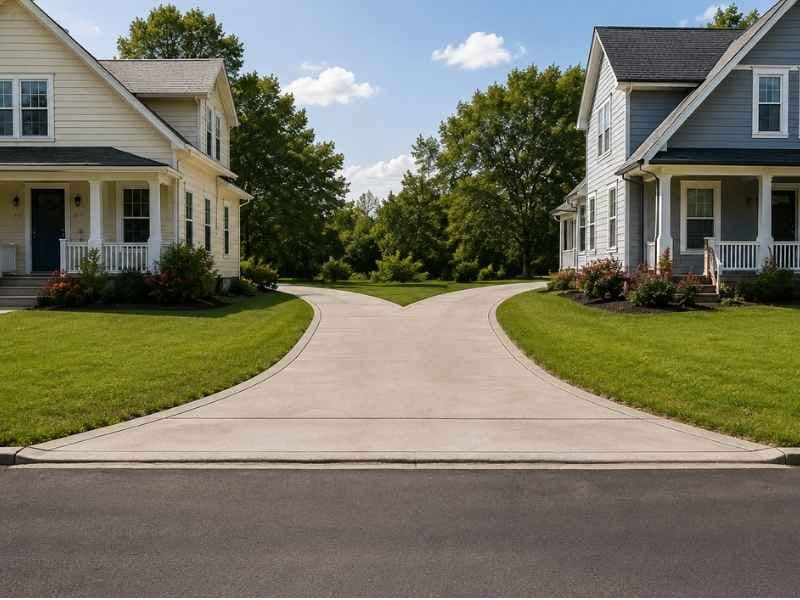
- Shared driveway easements—common on narrower, older lots where two or more homes share a single driveway access, each with defined rights to use it
- Utility easements—allowing utility companies access to maintain lines, pipes, or equipment crossing a portion of the property
- Access easements—granting a landlocked or hard-to-access parcel the right to cross a neighboring property to reach a public road, more common on some hillside lots
- View or light easements—less common but occasionally present in specific developments with agreements protecting certain sightlines
What to Actually Check Before Buying
- Read the preliminary title report thoroughly— easements are listed there, and this is where you'll first see the full picture rather than relying on the listing description
- Walk the property with the specific boundaries in mind—understand exactly what's shared, what's exclusive, and where responsibility lines fall
- Ask about any written shared driveway or access agreements—beyond the legal easement itself, informal or formal agreements about maintenance costs and usage rules are worth requesting directly
- Clarify maintenance responsibility—who pays for repaving, snow/debris clearing, or repairs on a shared driveway isn't always spelled out clearly, and disputes here are a common source of neighbor friction
Red Flags Worth Digging Into Further
- No written agreement governing a shared driveway, relying only on informal neighborly understanding
- History of disputes with neighbors over access or maintenance, which may surface in seller disclosures
- Easements that seem to significantly restrict use of a meaningful portion of the lot (worth understanding the practical impact on your actual usable space)
What Sellers Should Do
- Disclose all known easements and any related history — including informal shared arrangements, even if not all are captured by the formal title report
- Provide any written agreements governing shared access or maintenance, if they exist
- Be upfront about any past disputes, since these often surface during a buyer's due diligence regardless, and proactive disclosure builds trust
FAQ
Can an easement be removed once a property is sold to me?
Generally not unilaterally—easements typically require agreement from all parties or a formal legal process to modify or remove, and simply buying the property doesn't eliminate an existing easement.
Does a shared driveway easement affect my insurance or liability?
It can—worth discussing with your insurance broker, particularly around liability if an accident happens on a shared access area.
How do I find out about easements before making an offer?
A preliminary title report, ordered early in the process, is the most reliable source—your agent or the escrow company can help you obtain and review this before you're deep into a transaction.
Should an easement be a dealbreaker?
Not automatically—many East Bay homes have easements and function perfectly well; what matters is understanding exactly what it means for your specific use of the property before you commit.
This is general information, not legal advice. Easement rights and obligations are property-specific and legally binding—consult a real estate attorney for guidance on a specific property.
Looking at an older East Bay property with a shared driveway or easement question? Let's dig into the title report together.
About The Parker George Team
Robert Parker and Josie George lead The Parker George Team, a Berkeley-based real estate team serving Berkeley, Oakland, Kensington, El Cerrito, Piedmont, Alameda, Albany, Emeryville, and Richmond. Robert holds the Certified Luxury Home Marketing Specialist (CLHMS) designation, and the team has been recognized by America's Best and featured in the San Francisco Business Times. Licensed with the California DRE (Robert #01923837, Josie #01990905), the team is based at 801 Delaware St, Berkeley, CA 94710.
Check out this article next