

Liquefaction Zones: What They Mean for East Bay Property Buyers
Quick Answer
Liquefaction is a specific earthquake-related risk where certain soil types can temporarily behave like a liquid during strong shaking, and parts of the East Bay—particularly some bay-adjacent flatland areas—fall within designated liquefaction hazard zones. This is distinct from fault zone risk and deserves its own understanding as part of your due diligence.
What Liquefaction Actually Is
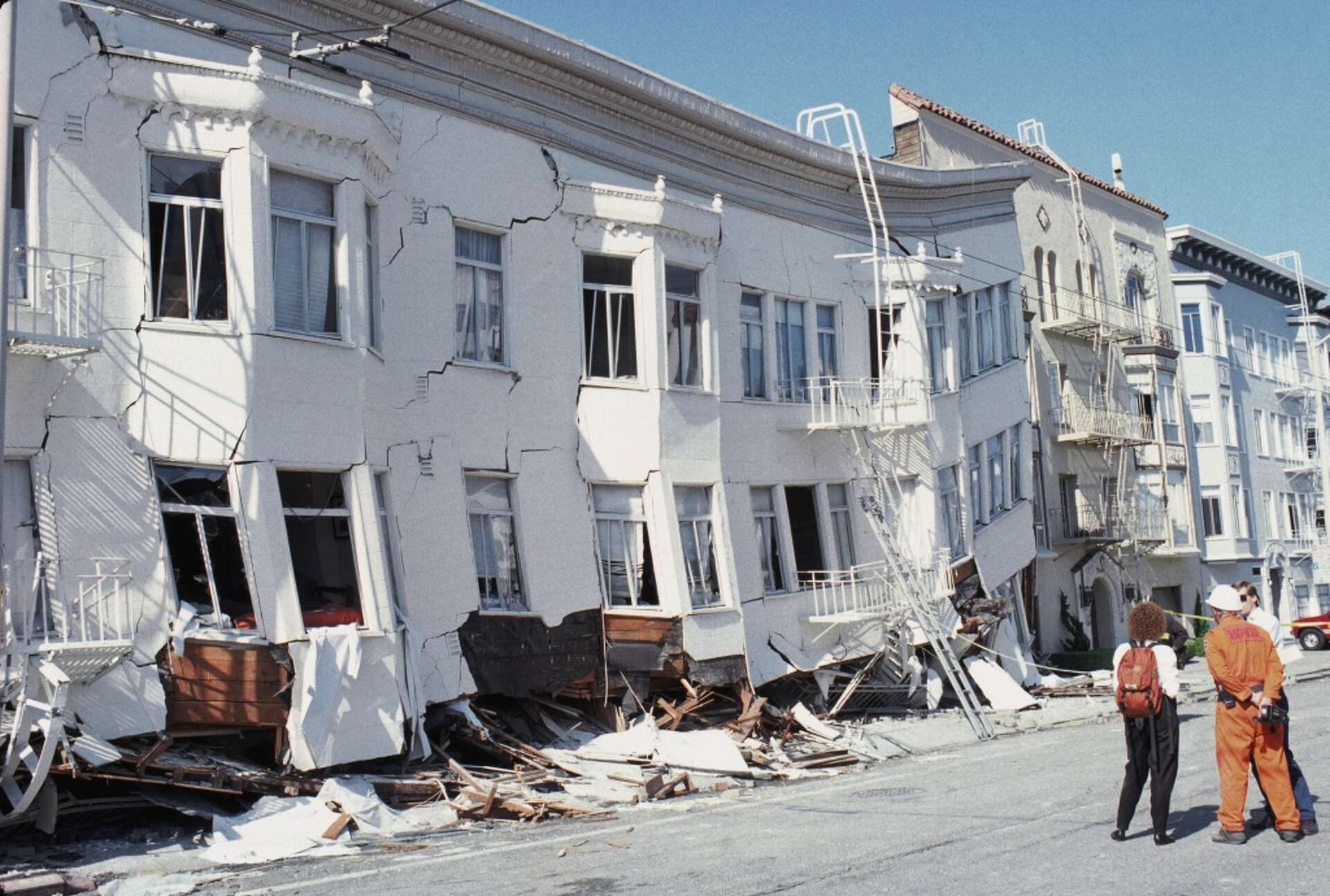
During a significant earthquake, certain saturated, loose soil types can temporarily lose strength and behave more like a liquid than solid ground—this can cause structures to sink, tilt, or suffer foundation damage, distinct from the direct fault-rupture risk covered in our NHD report guide.
Why This Is Relevant in Specific East Bay Areas
Given the region's proximity to the bay and specific soil conditions in various flatland areas, certain parts of Oakland, Alameda, Berkeley, and other East Bay cities fall within state-designated liquefaction hazard zones—this is a separate designation from fault zone status, covered together in your property's Natural Hazard Disclosure report (see our separate NHD guide).
How This Differs From Earthquake Fault Zone Risk
- Fault zone risk relates to a property's proximity to an active fault line itself (like the Hayward Fault), where direct ground rupture is the primary concern
- Liquefaction risk relates to soil composition and groundwater conditions, which can occur at some distance from an active fault, based on the specific ground conditions at that location
A property can be affected by one, both, or neither designation—they're evaluated and disclosed separately, worth understanding as distinct risk factors.
What This Means for Buyers
- Check your property's specific NHD report for liquefaction zone designation, alongside the fault zone information covered elsewhere
- Understand this may affect insurance and, for new construction, specific engineering requirements — properties in designated liquefaction zones may face additional foundation engineering requirements for new construction or significant additions
- This doesn't automatically mean a property is unsafe or a poor purchase—many homes in liquefaction zones have stood for decades without significant issue, but it's a factor worth understanding as part of your overall risk picture, similar to how wildfire zone status is weighed (see our wildfire risk guide)
What This Means for Sellers
- Accurate disclosure through your NHD report is required, similar to fault zone and other hazard disclosures
- This factor alone typically doesn't significantly affect marketability in most East Bay liquefaction zone areas, given how common this designation is across parts of the region — but transparency remains important
Practical Steps for Buyers Concerned About This Factor
- Review your property's specific NHD report for the liquefaction zone designation, rather than assuming based on general area reputation
- Consider a geotechnical assessment if you're planning significant new construction or an addition on a property within a designated zone, since this may be relevant to your project's engineering requirements
- Discuss with your insurance broker how this factor, if applicable, affects your specific coverage options and considerations
FAQ
Does liquefaction zone designation mean my home will definitely be damaged in an earthquake?
No—it indicates a specific soil-related risk factor that could contribute to damage under strong shaking but doesn't guarantee any particular outcome; many properties in these zones have never experienced liquefaction-related damage.
Can I find out if a specific property is in a liquefaction zone before making an offer?
Yes — this information should be included in the property's NHD report (see our separate guide), typically provided during your disclosure review period, though state liquefaction hazard maps are also generally publicly available for preliminary research.
Does liquefaction risk affect insurance the same way fault zone risk does?
These are generally evaluated as part of your broader earthquake insurance consideration (see our insurance guides), though specific underwriting factors can vary by insurer—worth discussing directly with your insurance broker.
Are there ways to mitigate liquefaction risk for an existing structure?
Mitigation is generally more relevant to new construction engineering (deeper or reinforced foundations, for instance) than retrofitting an existing structure—worth discussing with a structural engineer if this is a specific concern for a property you own or are considering.
This is general information, not engineering, insurance, or legal advice. Liquefaction risk assessment is property-specific—consult a geotechnical engineer or your NHD report provider for guidance specific to a property.
Bottom Line
Liquefaction zone status is a real, distinct risk factor worth understanding alongside fault zone status—checking your property's specific NHD report gives you the accurate, property-specific picture rather than relying on general area assumptions.
Have questions about a specific property's hazard zone status? Let's review the NHD report together as part of your due diligence.
About The Parker George Team
Robert Parker and Josie George lead The Parker George Team , a Berkeley-based real estate team serving Berkeley, Oakland, Kensington, El Cerrito, Piedmont, Alameda, Albany, Emeryville, and Richmond. Robert holds the Certified Luxury Home Marketing Specialist (CLHMS) designation, and the team has been recognized by America's Best and featured in the San Francisco Business Times. Licensed with the California DRE (Robert #01923837, Josie #01990905), the team is based at 801 Delaware St, Berkeley, CA 94710.
Check out this article next