

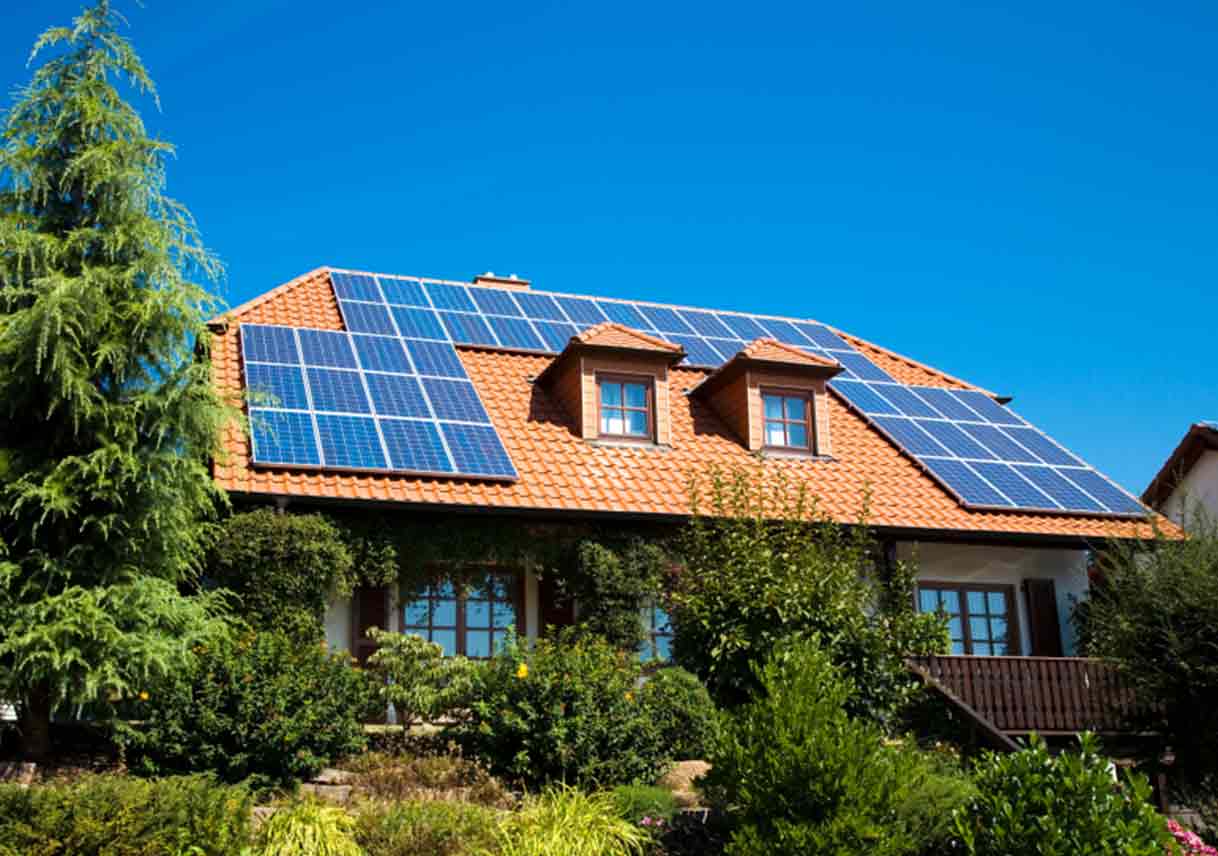
Selling a Berkeley or Oakland Home With Solar in 2026: Lease Transfers, PACE Payoffs, and the NEM 2.0 Grandfather Worth Up to $40,000
WHAT HAPPENS TO SOLAR PANELS WHEN YOU SELL A BERKELEY OR OAKLAND HOME IN 2026?
Solar systems on the home fall into one of four categories — leased (Sunrun, Sunnova, Tesla), financed with a UCC-1 fixture filing (Mosaic, Sungage, GoodLeap), PACE/HERO loan (paid through property taxes), or owned outright. Each category has its own transfer or payoff path at closing. Leases must be transferred to a credit-qualified buyer or bought out — typically $5,000 to $25,000. UCC-1 liens must be released and refiled. PACE loans must be paid off at close because Fannie Mae and Freddie Mac will not lend on PACE-encumbered homes. And a NEM 2.0 grandfathered system can be worth $20,000 to $40,000 to the next owner compared with a new NEM 3.0 install — make sure your listing tells that story.
HOW TO TELL WHAT KIND OF SOLAR YOU ACTUALLY HAVE (AND WHY IT MATTERS FOR YOUR SALE)
The first question every East Bay seller with solar should answer before listing: do you own the panels, or does someone else? It sounds obvious, but I've sat at four different kitchen tables in the last year where the seller wasn't sure. Two of them assumed the panels were "theirs" because they'd been making payments for years — but one was a 20-year Sunrun lease and the other was a Mosaic loan with a UCC-1 fixture filing on title. Same panels, very different problem at closing.
Solar on a California home is one of four things:
- A LEASE OR PPA from Sunrun, Sunnova, SunPower (now restructured), or Tesla. You don't own the panels; you pay a third party for the power or for the equipment use.
- A LOAN WITH A UCC-1 FIXTURE FILING — usually Mosaic, Sungage, or GoodLeap. You own the panels, but the lender has recorded a UCC-1 with the California Secretary of State to secure the equipment.
- A PACE OR HERO LOAN (Renew Financial, Ygrene's successor servicers, CaliforniaFIRST). You own the panels, but the financing is repaid through your property tax bill as a special assessment, creating what title companies call a "super-superior lien."
- OWNED OUTRIGHT — paid cash or financed through a regular HELOC or solar loan with no fixture filing.
Each of these has a different path through escrow. Get the category wrong and you can lose a deal at the loan contingency.
Pull two documents this week:
- YOUR MOST RECENT PROPERTY TAX BILL. Look for a line item like "PACE Assessment," "HERO," "Ygrene," or any energy/solar special assessment. If it's there, you have PACE.
- A RECENT PRELIMINARY TITLE REPORT ON YOUR HOME. If you don't have one, call your title company — or call me, and I'll pull one. Look for any UCC-1 fixture filing, deed of trust naming a solar lender, or notice of a lease from a solar company.
If neither shows anything, you likely own the system outright. But double-check: many East Bay homes installed solar between 2015 and 2022, when third-party-owned leases and PPAs dominated the market.
IF YOU HAVE A LEASED SYSTEM: TRANSFER, PREPAY, OR BUY OUT
Roughly 30% of California residential solar installs between 2015 and 2020 were leases or PPAs. Sunrun is the dominant player. The lease is a 20- to 25-year contract attached to the home — not to you personally. When you sell, the contract has to go somewhere.
You have three options.
OPTION 1 — TRANSFER THE LEASE TO THE BUYER. This is the default and the cheapest path. The buyer applies to assume the lease, the solar company runs a credit check (Sunrun typically wants a 680+ FICO), and if approved, the buyer takes over the monthly payments and the system stays put. Lawrence Berkeley National Lab data shows 77% of solar leases transfer successfully on sale. The catch: 20% of sellers in the same study said the lease scared off at least one buyer before they ever got to the transfer stage. In a luxury East Bay market where buyers are financially sophisticated and run the math themselves, that share can be higher.
OPTION 2 — PREPAY THE REMAINING LEASE TERM OUT OF ESCROW. Some contracts (Sunrun BrightSave Prepaid, certain SunPower lease conversions) allow you to make a single payment that covers the rest of the term. The buyer then gets the system without an ongoing monthly obligation. Whether this is worth it depends on your remaining term and the specific prepayment formula in your contract.
OPTION 3 — BUY OUT THE LEASE AND CONVERT THE PANELS TO OWNED. You pay the solar company a buyout amount calculated on the remaining lease value, discounted at the rate written into your contract. For a typical residential lease with 10–15 years remaining, expect $5,000 to $25,000. Sunrun specifically structures buyout windows at the end of years 5, 10, 15, and 20, and the math at year 5 is rarely favorable — you're still paying close to the full present value of the remaining payments.
A real example from a Rockridge sale earlier this year: 18-year-remaining Sunrun lease, monthly payment $147 with a 2.9% annual escalator. The buyer's lender flagged the lease as unfavorable (the compounded escalator on a 20-year obligation can push total cost above $50,000 over the remaining term). We pivoted to a $14,800 buyout out of escrow, the panels became part of the home, and the appraiser included them in the comp set. Net to seller: cleaner deal, higher final sale price.
The decision usually comes down to two questions: how badly does the buyer want the panels, and how aggressive is the escalator? A lease with no escalator on a system fully grandfathered into NEM 2.0 is often an easy buyer takeover. A lease with a 2.9% escalator and 22 years left is often a buyout-or-walk situation.
IF YOU HAVE A UCC-1 FIXTURE FILING: IT ISN'T WHAT YOUR LOAN OFFICER THINKS IT IS
When you financed your solar through Mosaic, Sungage, GoodLeap, or a similar solar-specific lender, they almost certainly recorded a UCC-1 fixture filing with the California Secretary of State (and sometimes the county). This is the part of California solar paperwork that confuses the most lenders.
The UCC-1 is a financing statement, not a mortgage. It puts a security interest on the panels and inverters — the equipment — not on the underlying real property. But a buyer's lender running a routine lien search sees the UCC-1, and if the loan officer doesn't understand solar UCCs, they can flag it as an unresolved lien on the home and stop the loan from closing.
What actually has to happen:
- Pay off the solar loan balance from your sale proceeds (or, less commonly, transfer the loan to the buyer if the lender allows assumption — most don't).
- The lender files a UCC-3 termination releasing the security interest.
- The buyer's lender confirms the UCC-1 is removed and your title is clear.
The trap: the UCC-3 termination can take two to six weeks depending on the lender. If you wait to start the payoff request until you're in escrow, you can blow past the loan contingency timeline. Pull the title report and order the payoff demand the week you list — not the week the offer comes in.
One more wrinkle: when the panels are transferred to the new owner, the new owner's lender (if they financed solar separately) will often refile a UCC-1 in their own name. That's normal. Title companies handle this routinely once they know what they're looking at.
IF YOU HAVE A PACE OR HERO LOAN: PAY IT OFF AT CLOSE — OR YOUR BUYER'S LENDER WILL WALK
PACE (Property Assessed Clean Energy) and HERO loans are different from every other kind of solar financing. They're repaid through your property tax bill as a special assessment, which gives them a "super-superior lien" position — they sit ahead of even your first mortgage. That's why Fannie Mae and Freddie Mac, who guarantee roughly 90% of U.S. home loans, refuse to back a mortgage on a property with an active PACE lien.
For an East Bay seller, this means two practical options.
PAY OFF THE PACE BALANCE AT CLOSE. Standard path. Your title company contacts the PACE administrator, gets a payoff demand, and the balance comes out of your sale proceeds at closing. Typical East Bay PACE balances on a solar-plus-efficiency package: $25,000 to $80,000. On a $2M sale, that's a meaningful but absorbable hit.
SELL TO A CASH BUYER WHO WILL ASSUME THE ASSESSMENT. Possible but narrow. Some investor buyers will take a property with PACE in place if the discount is right. In a luxury East Bay market where 70%+ of buyers are financing through conventional or jumbo loans, this rarely pencils.
There is no third path. If you list a PACE-encumbered home without a payoff plan and accept an offer from a financed buyer, you will end up paying off the PACE at close anyway — but with less negotiating room, because by then it's a closing condition rather than a listing strategy. Plan for it before the sign goes in the yard. PACE shows up most often in East Bay sales alongside solar, seismic and soft-story retrofits (see related post: https://parkergeorge.com/2026-05-01_berkeley-seller-requirements-2026), or efficiency upgrades, so check your tax bill carefully.
THE HIDDEN ASSET: NEM 2.0 GRANDFATHERING AND WHY YOUR BUYER SHOULD CARE
Here's the part most listing agents miss. If your solar system was interconnected before April 15, 2023, you are grandfathered into NEM 2.0 (Net Energy Metering 2.0) for 20 years from your system's Permission to Operate (PTO) date. That grandfathering transfers to the new owner of the home.
Why it matters: NEM 3.0 (the current "Net Billing Tariff") cuts the value of exported solar electricity by roughly 75% compared with NEM 2.0. A new install in 2026 sells excess power back to PG&E for around 5–8 cents per kWh. A NEM 2.0 system sells back at close to retail — 35–50 cents per kWh during peak hours.
Over a 20-year remaining grandfather period, that delta is typically $20,000 to $40,000 in net economic value to the next owner. The California First District Court of Appeal affirmed NEM 3.0 in March 2026, and AB 942 — the bill that would have forced existing systems onto NEM 3.0 at sale — stalled under heavy opposition. For now, the grandfather is intact.
Two practical implications:
- DISCLOSE THE PTO DATE AND GRANDFATHER STATUS IN YOUR LISTING MATERIALS. Most East Bay buyers in the $1M–$5M+ band understand NEM 3.0 well enough to recognize this as a real asset. If your agent doesn't surface it, the buyer's agent might — and you've lost the negotiating value.
- GET THE NEM 2.0 INTERCONNECTION AGREEMENT ASSIGNMENT PAPERWORK READY BEFORE CLOSE. PG&E typically requires a Form 14-1043 or equivalent transfer document signed by both parties at close of escrow. Title companies can coordinate, but don't assume — confirm with PG&E 30 days before close.
BERKELEY AND OAKLAND DISCLOSURE MECHANICS: HOW SOLAR SHOWS UP IN YOUR TDS, SPQ, AND NHD
California Civil Code §1102 requires the Transfer Disclosure Statement (TDS), and the Seller Property Questionnaire (SPQ) is the standard supplemental. Solar shows up on both:
- TDS ITEM II.A — Disclose any solar system as part of the property, and identify any leased or financed components.
- SPQ SECTION 6 — Detailed solar disclosure: ownership status, monthly payment, escalator, remaining term, NEM tier, transferability, and contact information for the solar provider.
For Berkeley sellers, BESO (the Building Emissions Saving Ordinance) requires an energy report at point of sale, and the solar system gets credited in that report. For Oakland, RECAP (Residential Energy Conservation Audit Program) plays a similar role. Solar that's properly documented can materially improve your home's energy disclosure profile and, in some cases, reduce the scope of required RECO upgrades on the Berkeley side.
One issue I see often: the SPQ asks for the "remaining term" of any lease or financing, and sellers don't have the exact end date in front of them. Pull this from your solar contract before you list. Buyer agents will ask, and a vague answer reads as a red flag.
A WORKED EXAMPLE: BERKELEY HILLS HOME WITH LEASED SOLAR AND PACE-FINANCED SEISMIC RETROFIT
Late last year I represented a seller on a 1947 Berkeley Hills home, listed at $2.6M. The house had:
- A 7.2 kW Sunrun lease from 2019, 23 years remaining, $128/month with a 1.9% escalator
- A PACE loan from 2020 covering a $42,000 soft-story retrofit, with a $31,400 balance still on the property tax bill
- NEM 2.0 grandfathering through 2039
Pre-listing decisions:
- PACE — PAY OFF AT CLOSE. $31,400 came out of seller proceeds. Non-negotiable, because the buyer was financing.
- SOLAR LEASE — TRANSFER TO BUYER. Sunrun ran the credit check during escrow (buyer FICO 752, approved in 4 days). Lease transferred at no cost.
- NEM 2.0 GRANDFATHER — DISCLOSED AND QUANTIFIED. Our listing materials included a one-page worksheet showing $26,000 in projected 20-year savings vs. a comparable NEM 3.0 install. The buyer's agent referenced it in the offer letter.
The home sold $185,000 over list. The PACE payoff hurt the seller's net, but the NEM 2.0 grandfather and the transferable lease almost certainly contributed to the overbid. Net-net: cleaner numbers, faster close, no contingency drama.
Every solar situation is different — lease vs. UCC-1 vs. PACE, NEM 2.0 vs. NEM 3.0, single-system vs. solar-plus-battery, one loan vs. a stack of two or three. The only way to know what your specific sale looks like is to pull the documents and run the math before listing. That's exactly the kind of analysis I walk every East Bay seller with solar through before we go to market, and it's the same workflow I use on pre-listing capital gains exposure for long-term owners (https://parkergeorge.com/2026-05-06_capital-gains-tax-berkeley-oakland-home-2026) and insurance disclosure for hillside homes (https://parkergeorge.com/2026-05-08_insurance-east-bay-home-sale-berkeley-oakland-hills-2026).
FAQ:
DO SOLAR PANELS ADD VALUE TO A BERKELEY OR OAKLAND HOME SALE?
Owned solar with NEM 2.0 grandfathering typically adds value. Zillow and Lawrence Berkeley Lab data both show 4–6% premiums on East Bay homes with owned, grandfathered systems, which on a $2M sale is roughly $80,000 to $120,000. Leased systems are roughly neutral when the lease is favorable and the buyer assumes it. Leased systems with high escalators or short remaining favorable terms can be slightly value-negative. PACE-encumbered systems are neutral once the PACE is paid off, but the payoff comes out of your net proceeds.
CAN I REMOVE THE SOLAR PANELS BEFORE SELLING?
For owned panels, technically yes — but you'd be paying to remove and reinstall functional equipment for no buyer benefit. For leased panels, no: the system belongs to the solar company. For PACE-financed systems, removing the panels doesn't release the lien (the assessment is on the property, not the equipment). In nearly every East Bay luxury sale, the right move is to keep the panels on, document the system, and price it into the deal.
WHAT IF MY SOLAR CONTRACT ISN'T TRANSFERABLE?
Some older leases — particularly some 2014–2017 SolarCity (now Tesla) agreements — have transfer restrictions. Read your contract carefully or have your agent or attorney do it. If transfer is restricted, you typically have to buy out, prepay, or convert the contract before close. Plan for that 30–60 days before listing, not 30 days before close.
HOW LONG DOES A PACE PAYOFF TAKE TO CLEAR AT CLOSING?
The payoff demand from the PACE administrator usually arrives within 5–10 business days of request. The actual payoff is wired at close. The release of the assessment from the county tax roll can take an additional 30–60 days after closing, but that's a paperwork cleanup — it doesn't hold up your sale.
DOES A UCC-1 LIEN ON SOLAR PANELS SHOW UP ON THE TITLE REPORT?
Yes — and that's the problem. The UCC-1 is a fixture filing on the equipment, not a mortgage on the home, but standard title and lender lien searches surface it as an unresolved lien. The fix is a UCC-3 termination from the solar lender after payoff. Start the payoff request the week you list.
THE BOTTOM LINE FOR EAST BAY SELLERS WITH SOLAR IN 2026
Solar adds complexity to your sale, but in nearly every case the complexity is manageable if you handle it before listing instead of after offers come in. The order of operations is the same regardless of system type:
- Identify the financing structure (lease, UCC-1 loan, PACE, owned outright).
- Pull a current title report and a current property tax bill.
- Request payoff or transfer paperwork from the solar provider 60+ days before close.
- Confirm NEM 2.0 or NEM 3.0 status and document the grandfather if applicable.
- Complete the TDS and SPQ solar disclosures with specific numbers, not approximations.
Done in that order, solar moves from "deal risk" to "deal asset" on most East Bay listings. The number that matters is the net to seller after every solar-related payoff, transfer, and disclosure — and that's a number worth running before you decide on a list price.
Want to know your specific number? I prepare a custom net sheet for every seller I work with — actual estimated proceeds based on East Bay market data, your home's condition, your specific solar situation, and current closing costs. No automated estimate, no generic Zestimate. Just real numbers.
GET YOUR CUSTOM NET SHEET → https://parkergeorge.com/home-valuation
Robert Parker is the CEO and team lead of The Parker George Team at Compass, serving the East Bay luxury residential market in Berkeley, Oakland, Piedmont, and surrounding neighborhoods. He helps buyers and sellers navigate the $1M–$5M+ market with a data-driven approach grounded in over a decade of local experience. Connect with Robert at parkergeorge.com.
DRE# 01923837
Check out this article next