


A bridge loan can be a helpful resource if you’re simultaneously selling your house and buying a new one. The loan bridges the gap between the purchase of your new home and the sale of your current property, which creates a smoother and less stressful timeline.
Like all loans, bridge loans have their benefits and drawbacks. Before taking out a bridge loan, you should understand how they work, when they can help, and what risks are involved.



What Is a Bridge Loan?
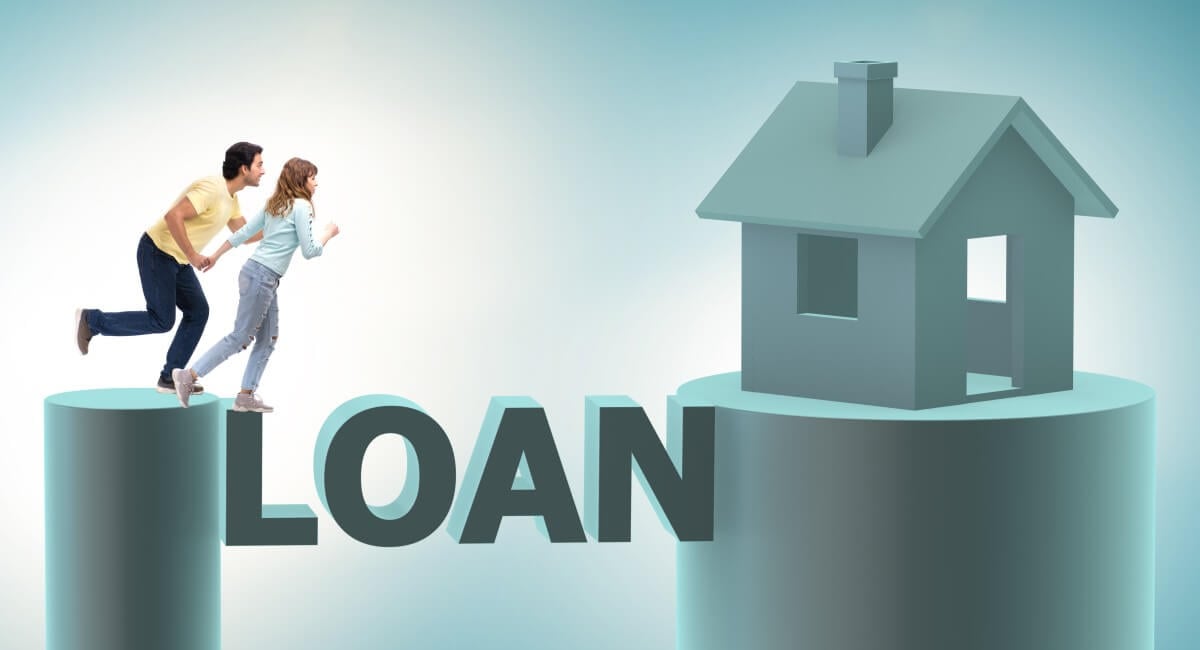
A bridge loan is a short-term loan that allows you to pay for something while waiting to secure permanent financing. It’s most often used in real estate transactions to allow a buyer to purchase a new property while waiting for the sale of their existing property to be finalized.How Bridge Loans Work
You can take out a bridge loan to buy a new house if you plan to use the equity in your current home to cover your down payment. The bridge loan provides you with the up-front funds you need to close on the new house. Then, when you sell your current home, you use the proceeds to pay off the bridge loan. The term for a bridge loan can vary, but most are six months to one year. In some cases, a bridge loan can have a lifespan of two to three years. Some bridge loans require monthly payments, and others require a lump-sum payment at the end of the term. Sometimes, lenders require the borrower to make interest-only payments monthly before the lump-sum payment is due. Bridge loans usually use your current home as collateral. This means that if you fail to make the payments on time, your lender could seize the house.
Advantages of Using a Bridge Loan
Here are some of the key reasons buyers consider taking out a bridge loan to purchase a new home: Flexibility With Home Purchase Relying on the proceeds from the sale of your current home to make your down payment puts you on a strict timeline. You have to sell your current house before or at the same time as you close on your new home. This limits your opportunities to make offers and puts a lot of stress on you to sell your current home quickly. A bridge loan gives you much more flexibility with the timing of your home sale. You can close on a new house while your current house is still on the market or awaiting closing. This gives you more power as a buyer and can greatly reduce your stress. Faster Application Process Than Mortgages It’s fairly quick and easy to apply for a bridge loan. In many cases, you can receive a bridge loan in about two weeks. This is much faster than the timeline for applying for a mortgage or many other types of financing. Flexibility With Payments Lenders usually don’t require repayment until the end of the loan term. While other types of loans require monthly payments, you may not have to worry about paying back your bridge loan until you’ve sold your house. Avoid Home Sale Contingency A bridge loan is a great way to avoid including a home sale contingency in your offer. When the funding for your down payment is already secured, you don’t have to wait for your current house to sell. This makes your offer much more competitive to sellers.
Disadvantages of Using a Bridge Loan
While a bridge loan can give you more power and flexibility in the real estate market, there are also some disadvantages to consider. Here are the downsides to taking out a bridge loan to purchase a house: High Interest Rates Ask the lender for an estimate of total interest and fees based on the loan amount, rate, repayment terms and expected borrowing period. Difficult to Qualify Qualifying for a bridge loan can be more difficult than qualifying for a mortgage or other type of loan. Most lenders require a credit score of 700 or higher and a debt-to-income ratio of less than 50%. Up-Front Costs Although bridge loans provide funding for your down payment, they also come with their own up-front costs. The origination fees for a bridge loan can amount to a few thousand dollars. When you’re already paying for closing costs on your new home, it can be difficult to come up with these funds. Double Monthly Payments Using a bridge loan to buy a new house while you still own your current home can put you in a difficult financial situation. If you still have a mortgage on your current home, you’ll be paying two mortgages while you wait for your current home to sell. Financial Risk Bridge loans don’t offer much protection if the sale of your current home falls through. If you haven’t sold your current house by the end of your loan term, you’ll still have to repay the debt. Because lenders use your house for collateral, this could result in foreclosure.
Scenarios in Which a Bridge Loan Can Be Helpful
A bridge loan isn’t always necessary or beneficial when buying a new house, but there are plenty of circumstances when it can come in handy. Here are some scenarios in which you might consider taking out a bridge loan: The equity in your current home is your only source of a down payment on a new home. You want to purchase a new home before you put your current one on the market. You’re going to close on your new home before you close on the sale of your current home. You need to move quickly or unexpectedly due to your career, family, or other life circumstances. Sellers aren’t approving offers with home sale contingencies.
Is a Bridge Loan Right for You?
A bridge loan can be extremely helpful for navigating timing issues when buying a new house. It extends your timeline for selling your current house by offering up-front funding for your new down payment. This is especially valuable when buying in a competitive market or when you need to purchase a new house quickly. However, bridge loans also come with costs and risks. You’ll face added expenses for origination fees and interest. If you don’t sell your current house by the time the payment is due, you could be in serious financial trouble. Therefore, you should avoid taking out a bridge loan if there’s any chance your current house won’t sell in time. The decision to take out a bridge loan depends on a number of personal factors. If you’re unsure of whether a bridge loan is right for you, consult with a trusted financial advisor.Check out this article next