

Staging an Older East Bay Home: Craftsman, Victorian & Mid-Century Specific Tips
Quick Answer
Generic staging advice ("declutter, add plants, neutral paint") applies everywhere, but East Bay's older housing stock—Berkeley craftsmen, Oakland Victorians, and mid-century modern homes in the hills—each have specific architectural features that staging should highlight rather than fight against.
Why Style-Specific Staging Matters Here
A huge share of Berkeley's and Oakland's housing stock predates 1950. Buyers touring these homes are often drawn specifically to the period character—built-ins, moldings, and original windows—and staging that ignores or covers up those features can actually undersell the home's strongest selling points.
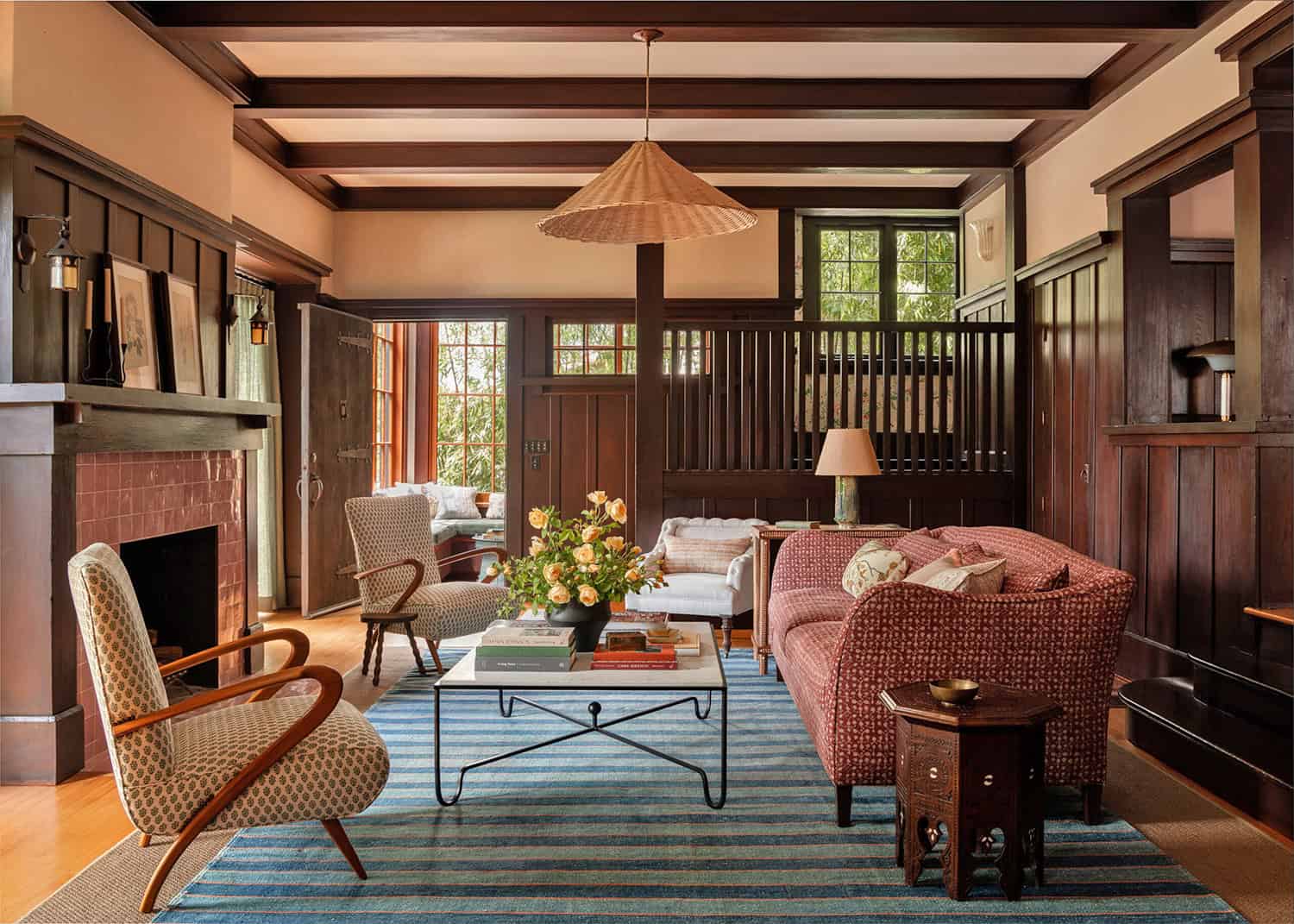
Craftsman Homes (Common Throughout Berkeley & North Oakland)
- Highlight built-ins—original bookshelves, window seats, and cabinetry are a signature feature; keep them visible and lightly styled rather than crowded with décor.
- Work with the natural wood tones, not against them—staging furniture in warm, complementary tones (rather than stark white/gray sets) tends to feel more cohesive.
- Let the natural light in—craftsman homes often have deep eaves and smaller windows than newer construction; make sure window treatments don't compound the effect.
Victorians (Common in Oakland and Parts of Berkeley)
- Emphasize high ceilings and moldings with furniture scaled appropriately—oversized modern furniture can make ornate, vertical-focused rooms feel cramped.
- Be thoughtful with paint choices if repainting—historic color palettes (or at least colors that complement original trim) tend to resonate better with the buyer pool drawn to Victorians specifically.
- Address deferred maintenance visually—original detail is a selling point, but visibly worn original features (peeling paint, water stains) undercut the charm rather than reading as character.
Mid-Century Modern (Common in the Berkeley & Oakland Hills)
- Lean into clean lines and openness—avoid over-furnishing rooms designed around indoor-outdoor flow and open sightlines.
- Highlight the view and light, which are often the primary selling point of hillside mid-century homes—keep window areas and sightlines toward views completely unobstructed.
- Match furniture era loosely—mid-century buyers often respond well to staging that at least nods to the style's period aesthetic, without needing a full theatrical recreation.
General Principles That Still Apply
- Declutter and depersonalize regardless of style.
- Make sure every room's function is obvious and functional (a strangely staged "flex room" often reads as smaller than it is).
- Professional photography matters more for older homes with more visually distinct features—hire someone comfortable shooting architectural detail well.
Bottom Line
The best staging for an older East Bay home works with its architecture instead of imposing a generic, style-agnostic look on top of it. Buyers touring these homes are often specifically drawn to the period character—staging should make that the star of the listing photos, not something to neutralize.
Preparing an older East Bay home for sale and want staging advice specific to its style? Let's walk through it together.
About The Parker George Team
Robert Parker and Josie George lead The Parker George Team , a Berkeley-based real estate team serving Berkeley, Oakland, Kensington, El Cerrito, Piedmont, Alameda, Albany, Emeryville, and Richmond. Robert holds the Certified Luxury Home Marketing Specialist (CLHMS) designation, and the team has been recognized by America's Best and featured in the San Francisco Business Times. Licensed with the California DRE (Robert #01923837, Josie #01990905), the team is based at 801 Delaware St, Berkeley, CA 94710.
Check out this article next